
 By Robby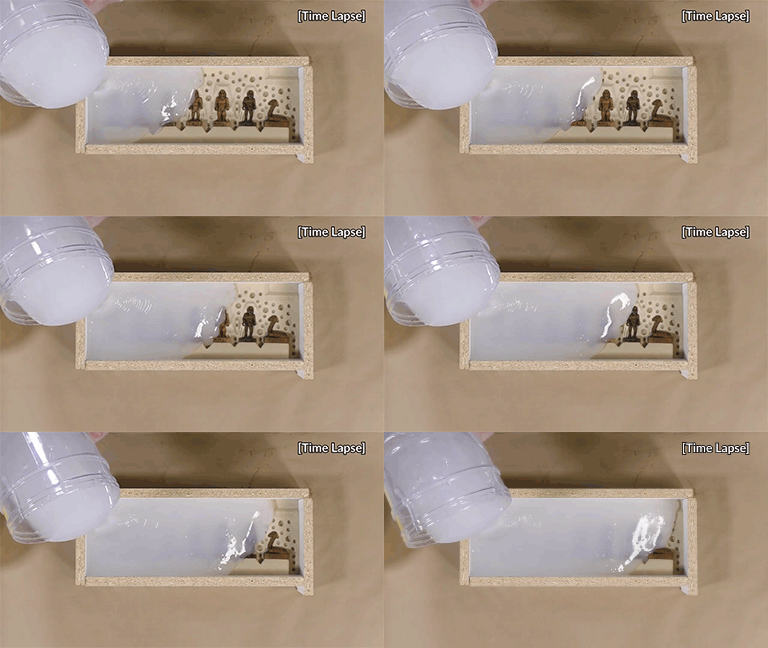
How To Make a Rubber Mold at Home (Beginner Guide)
Introduction
If you are thinking about how to make a rubber mold at home, you are starting in the right place. Rubber molds are flexible, reusable, and ideal for making accurate copies of small objects. They are widely used for casting resin, plaster, concrete, soap, and similar materials.
A rubber mold is best thought of as a flexible negative of your model. Once you have made this negative, you pour your casting material into it. When the material sets, the mold is removed, leaving a copy of the original. This is how many craft items, repair parts, and decorative pieces are produced.
The good news is that you do not need specialist tools or a workshop to get started. Most beginners can make their first mold using basic materials, a simple setup, and a bit of patience. The key is starting with realistic expectations and choosing suitable materials.
It is important to start small. Simple shapes are far easier to work with and help you understand how rubber mixes, flows, and cures. Choosing the right type of rubber early also avoids many of the problems that frustrate beginners and lead to wasted materials and effort — a common craft killer.
This guide covers the basics of making a rubber mold at home, from understanding materials to avoiding common mistakes. It is intended as a practical starting point, not a shortcut.
Understanding Rubber Molds and Materials
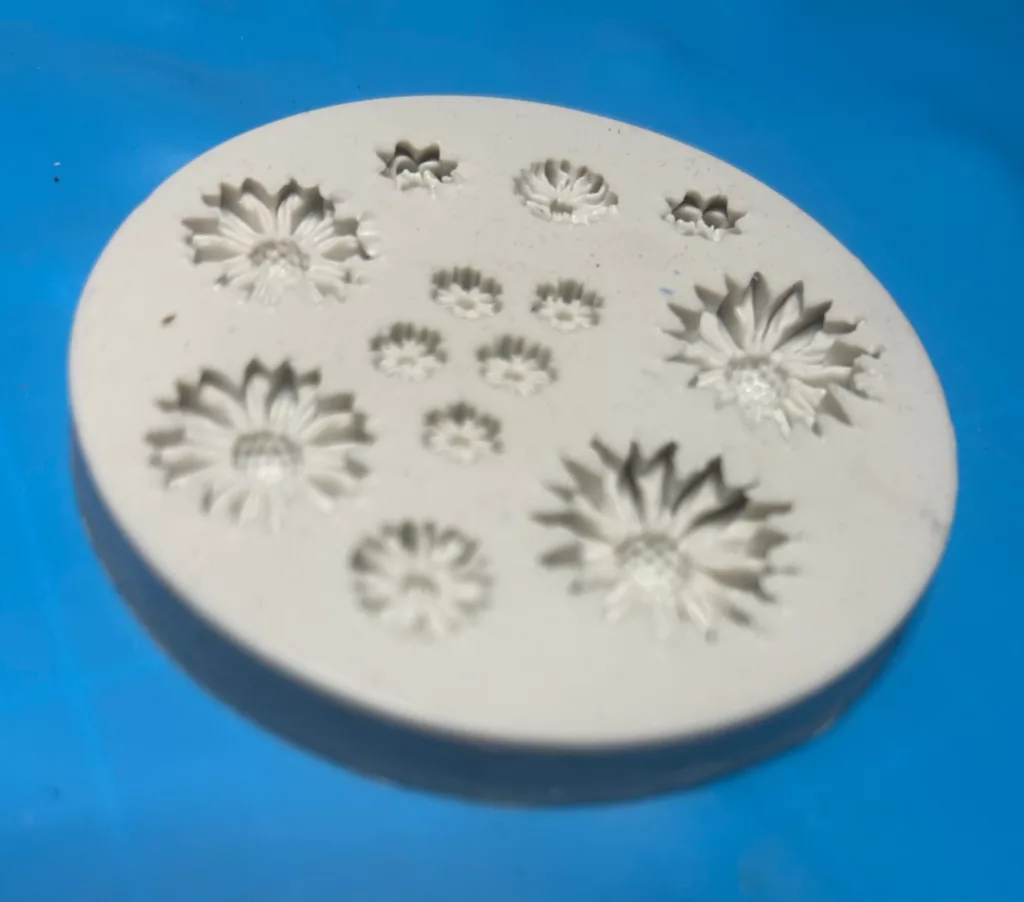
A rubber mold is a flexible impression of an object that allows repeated casting. Because the mold can flex, finished castings can usually be removed without damage, even when surface detail is present.
Rubber molds are used for many purposes, including craft projects, small repairs, decorative items, soap and candle making, and prototype work. The same basic principles apply across all of these uses.
You will often see the terms rubber, silicone, and urethane used interchangeably, which can be confusing. Rubber is the general category. Silicone rubber and urethane rubber are the two most common materials used for mold making today.
Silicone rubber is flexible, stable, and easy to work with. It is the most forgiving option and is usually the best choice for beginners. Urethane rubber is tougher and often less expensive, but it is sensitive to moisture and requires more care during use and storage.
Understanding these differences early makes it much easier to choose the right material and avoid problems later.
Choosing the Right Material for Your Mold
The two main choices for mold making are silicone rubber and urethane rubber. Each has advantages and limitations.
Silicone rubber is usually the best option for beginners. It is flexible, has a long working time, and is less likely to fail if conditions are not perfect. When properly cared for, it also has a long service life. Food-grade silicones, which are designed to handle higher temperatures, are often the best option if your budget allows. Most silicones require minimal use of mold release agents, depending on the material being molded.
Urethane rubber is tougher and can be significantly more economical, but it is sensitive to moisture and humidity. In damp or uncontrolled environments, it can cure poorly or fail altogether. Urethanes always require careful cleaning and fresh application of mold release agents. Finished urethane molds also tend to have a shorter shelf life.
Latex rubber was more commonly used in the past but is generally not recommended today. It shrinks, degrades faster, and lacks the reliability of modern silicone and urethane systems. Unless you have the space to retain original models for repeated mold production, latex is usually an impractical choice.
Your material choice should be based on the object being molded, the working environment, and how forgiving you want the process to be.
What You Need to Make a Rubber Mold
Making a simple mold does not require a long shopping list.
You will need a model or master. This is the object you want to copy.
A mold box is required to contain the rubber while it cures. This can be purpose-built or made from simple materials. A separate guide on mold boxes explains this in more detail and helps you choose the right type.
You will need mold-making rubber, either silicone or urethane, selected to suit your project.
Mixing cups and mixing sticks are essential. Disposable cups and wooden or plastic sticks work well.
A release agent may be required, depending on the object material and the rubber being used. This prevents bonding and makes demolding easier.
You also need a flat, stable work surface and enough time to allow the mold to cure fully. Rushing this stage is one of the most common causes of failure. Wanting to see results too early is much like opening an oven before a cake has finished baking — it rarely ends well.
Can You Use Regular Silicone for Mold Making?
Household silicone sealants are not suitable for mold making. Bathroom and construction silicones are designed for sealing and waterproofing, not for capturing fine detail. While they may appear workable for very small tests, they are not recommended.
These products cure inconsistently, are often too stiff, and do not reproduce detail well. In many cases, the mold will tear or bond to the object during removal.
RTV rubber mold-making silicone is specifically formulated for this type of work. It cures evenly, remains flexible, and reproduces surface detail accurately.
Using the correct silicone from the start saves time, frustration, and wasted material.
Making a Simple One-Piece Rubber Mold
A one-piece poured mold is the simplest type of rubber mold and the best place to begin. Ideally, it should be made from an object that will drop straight out of the finished mold. Drop-out mold and pop-out mold are common terms used for this easiest style of demolding.
Start by preparing a clean, level workspace. Protect surfaces from spills and have all materials ready before mixing.
Place the object securely inside the mold box. Make sure it cannot move and that both the model and mold box are sealed and fixed down to prevent leaks.
Mix the rubber according to the manufacturer’s instructions. Accurate ratios and thorough mixing are essential for proper curing.
Pour the rubber slowly into the mold box, allowing it to flow naturally around the object. A steady pour helps reduce trapped air.
Allow the mold to cure fully. Curing time depends on the material used and ambient temperature. Do not rush this stage.
Once cured, remove the mold from the box and carefully extract the original object. You now have a basic rubber mold ready for casting.
Common Beginner Mistakes
- Using the wrong silicone is one of the most common errors. Construction sealants are not suitable for mold making.
- Neglecting mold box preparation often leads to leaks, uneven mold walls, and wasted material.
- Pouring too quickly traps air bubbles and reduces mold quality.
- Starting with complex objects increases the chance of failure. Simple drop-out shapes help build skills and confidence.
What to Do Next
Once you are comfortable with basic molds, you can move on to improved mold boxes, different materials, and more complex shapes. This is also the stage where understanding casting materials and mold release agents becomes increasingly important.
This article is intended as a foundation. From here, more detailed guides on mold boxes, first casts, and material handling build naturally on what you have learned.
Each mold you make improves your understanding, which, based on my real lifes experience, is very important. Progress comes from repetition, not shortcuts.
Final Note
If you have questions, corrections, or practical experience to share, on this article on how to make a rubber mold at home (Beginner Guide), please feel free to leave a comment below. Real-world feedback helps improve future guides and keeps the information grounded for actual use.
Written by Robby
Cast Stone HQ